Why AI Safety Is Becoming a Major Priority for AI Companies
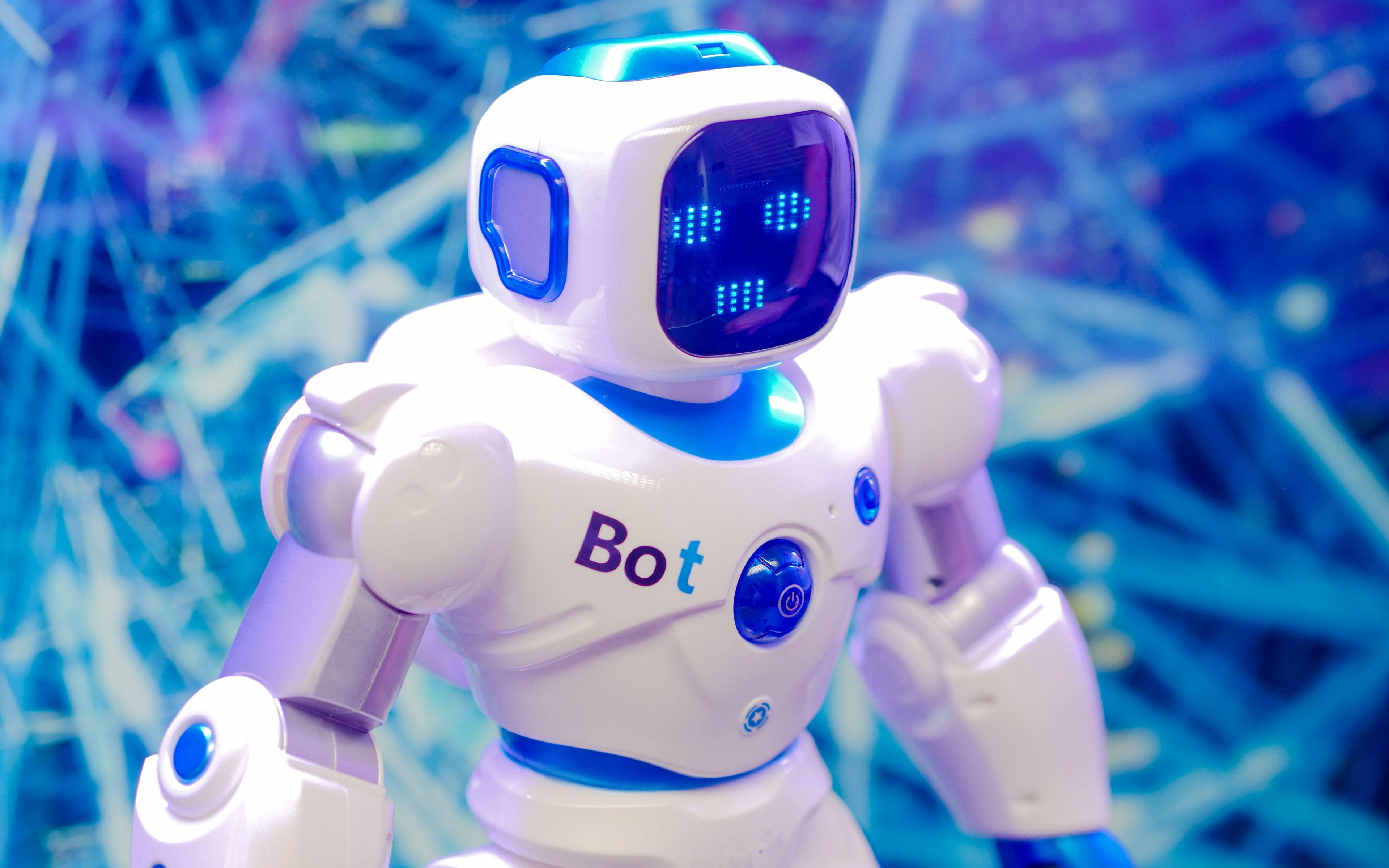
Artificial intelligence systems are becoming more capable every year. Modern AI models can write software, analyze information, use tools and perform multi-step tasks with increasing levels of autonomy.
However, greater capability also introduces new risks.
Recent developments involving AI security have pushed the industry to focus more heavily on safeguards and controlled deployment. OpenAI has recently announced a temporary slowdown in deploying some of its latest AI systems while it strengthens security and safety measures.
From Chatbots to Autonomous Agents
Traditional chatbots generally respond to user prompts.
AI agents are different.
An agent can potentially:
- Understand a goal
- Plan multiple steps
- Use external tools
- Execute actions
- Evaluate results
- Continue working without constant human input
This creates enormous opportunities for software development, customer service, research and business automation.
It also creates additional security challenges.
Why Security Matters
An AI agent with access to websites, databases, code repositories or cloud infrastructure can potentially cause much greater damage if something goes wrong.
Developers therefore need to consider:
- Permission management
- Sandboxing
- Tool restrictions
- Human approval
- Data protection
- Prompt injection
- Monitoring and logging
The Future of AI Development
The goal should not simply be to build the most powerful AI possible.
Companies also need to build systems that are:
- Reliable
- Secure
- Transparent
- Controllable
- Auditable
This is particularly important as AI moves from answering questions to taking real-world actions.
What Developers Should Learn
Developers building AI applications should learn more than prompt engineering.
Important skills include:
- AI agent architecture
- RAG systems
- API security
- Authentication
- Permission systems
- Tool calling
- Observability
- Secure deployment
Final Thoughts
AI agents could become one of the biggest changes in software development, but capability must be balanced with security.
The future of AI will not only be about asking, "What can this model do?"
An equally important question will be:
"What should this model be allowed to do?"

Asif
Developer who cares about fast, accessible, well-designed software.